
5 components your Lockout / Tagout program can’t live without

When considering compliance with the lock out‐tag out regulation, many will assume locking out the hazardous energy sources is all it takes. In reality, there is much more than just creating a safe work environment during servicing.
While that is the overall goal, there are 5 components of a proper energy control program that will help ensure the safety of your employees.
Corporate Policy

A corporate policy is meant to define the scope and rules of the lockout‐tagout program. It explains when lockout is necessary, who is authorized to perform work, how to safely lockout equipment, and how to address special circumstances. Every aspect of the program and what everyone’s responsibility is when it comes to lockout / tagout should be outlined in the company’s policy.
Employee Training

In order to ensure work is safely performed, employees who will be involved in servicing must be trained to understand and recognize the dangers associated with lockout‐tagout. They must know how to properly isolated energy sources and apply the correct lockout devices. Proper shutdown and restore techniques should be taught as well as how & when to use lockout‐tagout procedures.
The training should also cover special circumstances such as group lockout so employees understand the corporate policy. Affected employees (those not performing lockout / tagout) will also need awareness training on the purpose and use of lockout‐tagout.
Documented Lockout-Tagout Procedures

Machine specific lockout‐tagout procedures should be developed for each machine at the facility. These procedures need to list the energy sources to be isolated during the lockout, residual energy sources that must be released, and any additional warnings or hazards. Disconnect types, locations, and magnitudes need to be a part of the procedures. Steps to shut down and lockout the equipment should be included as well as steps to restore the system to normal operations. Finally, methods to verify the equipment is in a neutral state are necessary to protect worker safety during lockout.
Proper Hardware and Devices

In order to lockout the equipment, specific locks, tags, and devices are needed. They must withstand the environment and not be easily removed without excessive force.
All energy sources that accept a padlock must use one; valves and disconnects that don’t accept a padlock will need specific hardware such as a cable or breaker lockout devices to keep the disconnect in the off position. These devices will need to be properly applied and locked out.
Locks and devices must identify the individual performing work, along with additional information about the purpose and duration of the lockout. If needed, a durable informational tag can also be applied to the isolation point, identifying the authorized employee(s).
Annual Inspection
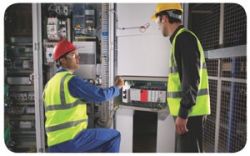
At least once per year, the energy control program must be inspected to identify any errors that may exist. Procedures need to be reviewed to verify they accurately reflect the equipment and needs of the workers.
Authorized employees also must be observed performing lockout‐tagout to ensure they follow the procedure and create a safe work environment when performing maintenance. .
Summary
All companies need these five components in order to run a successful lockout / tagout program. It will clarify the expectations and make maintenance activities run smoother. Most importantly, following these steps will guarantee a safe work environment for both the authorized employees and those affected by lockout / tagout.
How can we help you make sure you are following the fiev somponents to a successful lockout-tagout program?
Contact us for more information at safety@revereelectric.com or complete an online Solutions Information form.
ESC Lockout-Tagout Services - A Rockwell Automation Company